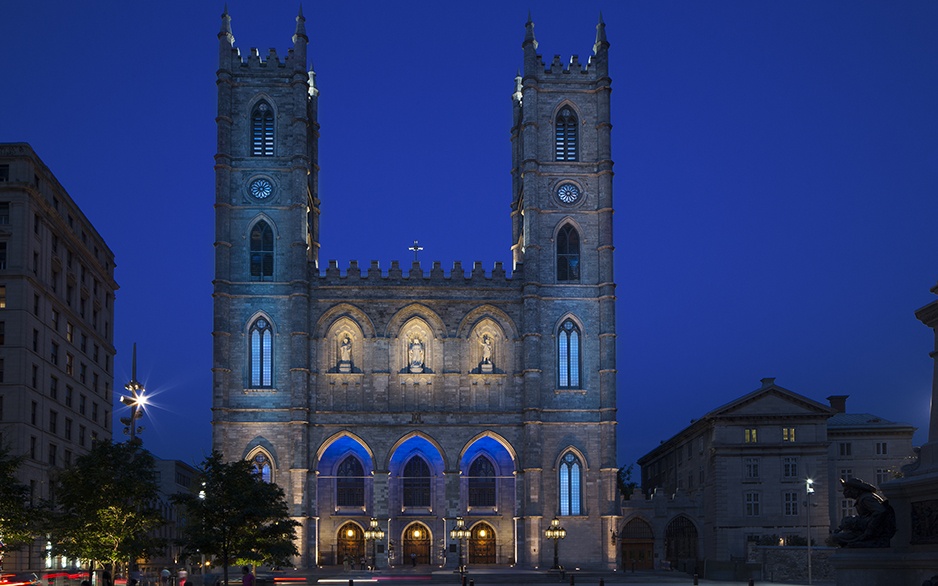
The History of Montreal’s Eastern Bus Terminal

“When we think of the old bus terminal on Berri and Maisonneuve, it usually conjures up the image of a brown L-shaped building across the street from Place Émilie-Gamelin on one side, and the National Library (BaNQ) on the other. That’s certainly the case now, but those extensions along Berri and Maisonneuve were add-ons that came some time in the 1970s. When the bus terminal was built in the early 1950s, it was just that square. The building’s curved corner and vertical Googie-styled signage suggests Streamline Moderne architecture, somewhat echoing the other bus terminal in Montreal at the time.”

Read more

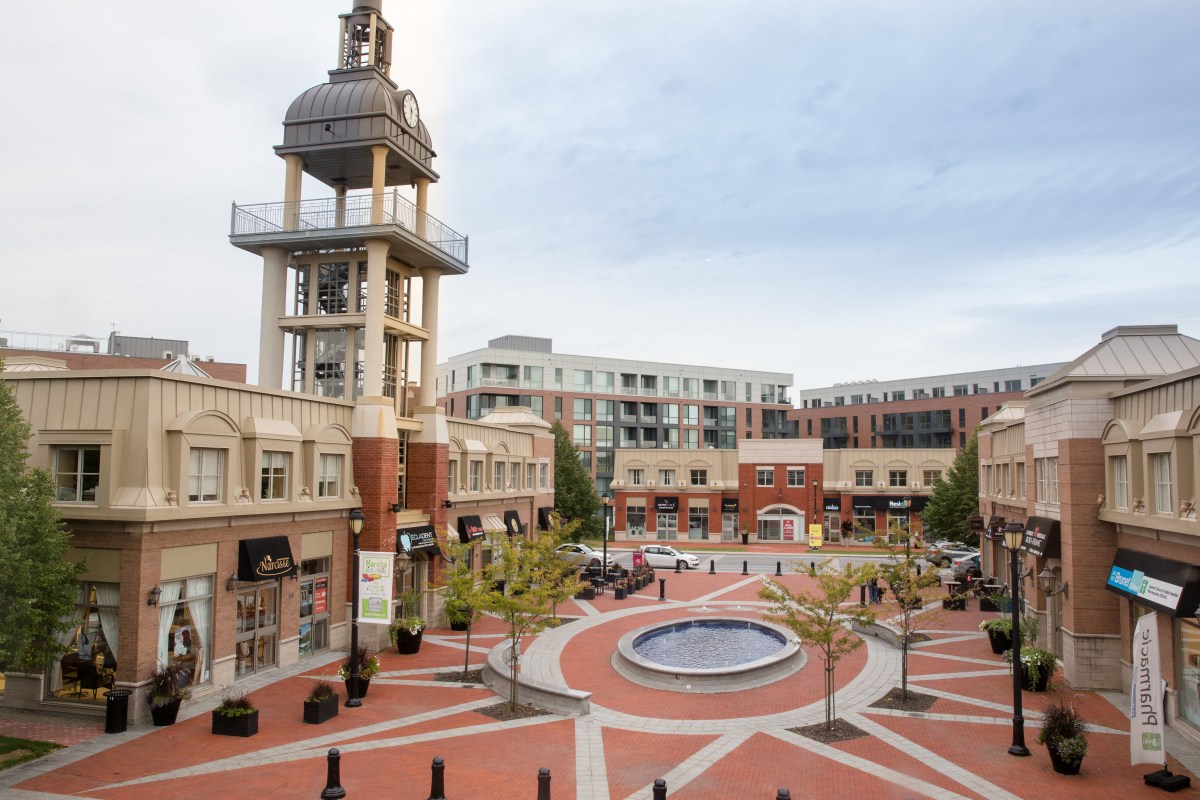
Quinze40: Shopping streets are more pleasant than big complexes

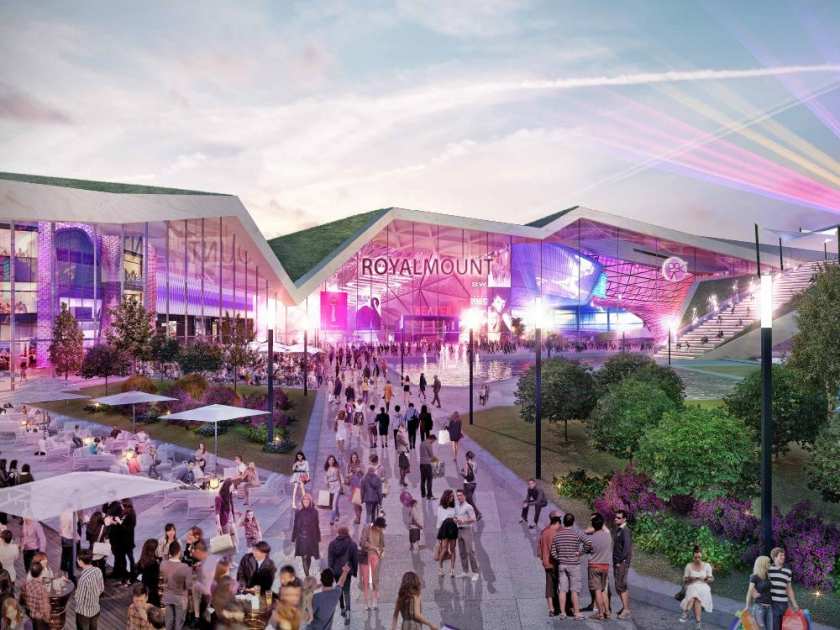
Originally published in the Montreal Gazette on May 22, 2015. Image courtesy of Carbonleo.

“Carbonleo has defended its renderings, and said that Royalmount will not be a carbon copy of Dix30. But there are glaring similarities between the two. For one, they’re functionally alike: all four million square feet of Royalmount will be exclusive to commercial use, with no residential zoning. It will be far to get to, even for those who live in nearby neighbourhoods. Despite a footbridge connecting de la Savane métro to the shopping district, the lengthy walk over the Décarie Expressway and into the wide spaces of the site doesn’t scream “pedestrian friendliness.” And with 8,000 parking spots — only 2,000 fewer than what’s offered at Dix30 — it’s reasonable to infer that the area, located next to two of Montreal’s busiest highways, was designed with car use in mind.”

Read more

The Great Montreal Rebuild

This native advertising series combines Concordia University‘s expertise and the Montreal Gazette‘s talent, and appeared as part of the newspaper’s special reports for “Montreal Reimagined.” Taking on urban development in Montreal, I was tasked with exploring the diversity of disciplines that could rebuild our great city. The series was published over 10 weeks, with pieces appearing in the print newspaper, on the web, and on iPad, complete with infographics and videos. Photo by La Portraitiste.

Climate Change, Renewable Energy and Infrastructures (published March 2, 2015)
“Can we confront climate change in a way that’s meaningful enough to make a difference? ‘The challenge is big,’ Prof. Damon Matthews said. ‘There’s no single solution, but there are lots of little solutions.’ That’s why the focus for a number of researchers in Montreal is developing solutions to reduce the impact of climate change.”
Read more

Solar Energy Powering Montreal’s Bright future (published March 6, 2015)
“Whether it’s in a commercial building or a single-family home, this intelligent technology goes further, making sure occupants stay comfortable — and even predicting the next day’s weather conditions to modify the building’s heat or cooling controls accordingly. Notably, these smart, solar-powered buildings can be designed to store energy.”
Read more

Paving the Way for Sustainable Housing Development (published March 16, 2015)
“Despite the city of Montreal’s moratorium on condo conversions in the early 1980s, a loophole has allowed a new condo category to emerge.What Rutland and his colleagues discovered was that in Petite-Patrie, more than half of the condo conversions since 1991 were “undivided” co-ownerships. Traditionally, undivided co-ownership has provided a way for people to own a part or share of an overall building. Since 1994, however, it has become possible for these shares to be linked to particular housing units within the building. The units of the building can then be bought, sold, and lived in very much like a divided co-ownership. Most significantly, the undivided condo category is not covered by the moratorium, making the protective policy increasingly irrelevant.”
Read more

Building a Social Economy: Sustainability from Within (published March 20, 2015)
“Take the story of Marmite, the concentrated yeast spread commonly used in the U.K. Love it or hate it, this byproduct of beer brewing combines corporate responsibility and waste reduction by turning something that would normally be a leftover into something that has value in its own right.”
Read more

From Lab to Market: Investing in Montreal’s Scientific Sectors (published March 30, 2015)
“Investing in research is crucial to making sure Canada remains one of the top five leading countries in aerospace. According to Aéro Montréal, most of Quebec’s 43,500 aerospace jobs are in Greater Montreal, making the city the second world capital in terms of aerospace job density.”
Read more

Montreal’s Makes the Most of Its Creative Resources (published April 3, 2015)
“It’s not surprising that Montreal was appointed to UNESCO City of Design in 2006. The city is teeming with creativity, starting with about 500 film and TV production and distribution companies, 70 ad agencies, 25 cinemas, at least 23 theatre venues, and 12 Maison de la culture establishments. Not to mention that Montreal hosts countless festivals, and is home to myriad architects, designers in all capacities, musicians, and artists. Montreal certainly has a creative drive, but what does this unique sector of our economy need to continue to thrive?”
Read more

The Impact of Public Transportation on Neighbourhood Development (published April 13, 2015)
“Public transportation exists to provide affordable mobility, connecting Montrealers not just to their city, but to friends and family, and, in many cases, their jobs. At the same time, recent research suggests Montreal’s métro may have contributed to the changing demographic composition of surrounding neighbourhoods; in other words, gentrification.”
Read more

The Wellington Tower’s Living Legacy (published April 17, 2015)
“If we’ve all but forgotten Griffintown’s St. Ann’s Church or its old fire station, it may be because the new residential highrises in the area leave little clue as to this tiny neighbourhood’s former industrial identity. Not everything’s gone, but in 2013, when the city announced its plans to redesign the Wellington Tower — that iconic, graffitied, minimalistic building hovering above the CN tracks bordering the Lachine Canal — a group of people decided it was time to start making memories.”
Read more

Creating Green Space Diversity and Connectivity (published April 27, 2015)
“It’s estimated that roughly 20 per cent of Canadians suffer from respiratory allergies. But according to biodiversity and bioenergy specialist Melanie McCavour, a PhD candidate and lecturer at Concordia, there’s an easy, inexpensive, and effective thing cities could do to both increase biodiversity and alleviate those allergy symptoms: Plant more female trees that produce fruit.”
Read more

Perfect Blue: Facing Montreal’s Waterways (published May 1, 2015)
“Central city dwellers know that they’re surrounded by water, but they often don’t have much of a relationship with it. Unlike cities like Paris, London, Berlin, and Prague, there’s no body of water cutting through Montreal’s urban core. The Lachine Canal is an offshoot of the St. Lawrence, but it’s still largely at the edge of the island, and as a public space, it doesn’t yet compare to the Seine or the Thames.”
Read more
Exploring Montreal’s Lesser-Known Districts

Originally published in the Montreal Gazette on October 18, 2014. Photo by La Portraitiste.

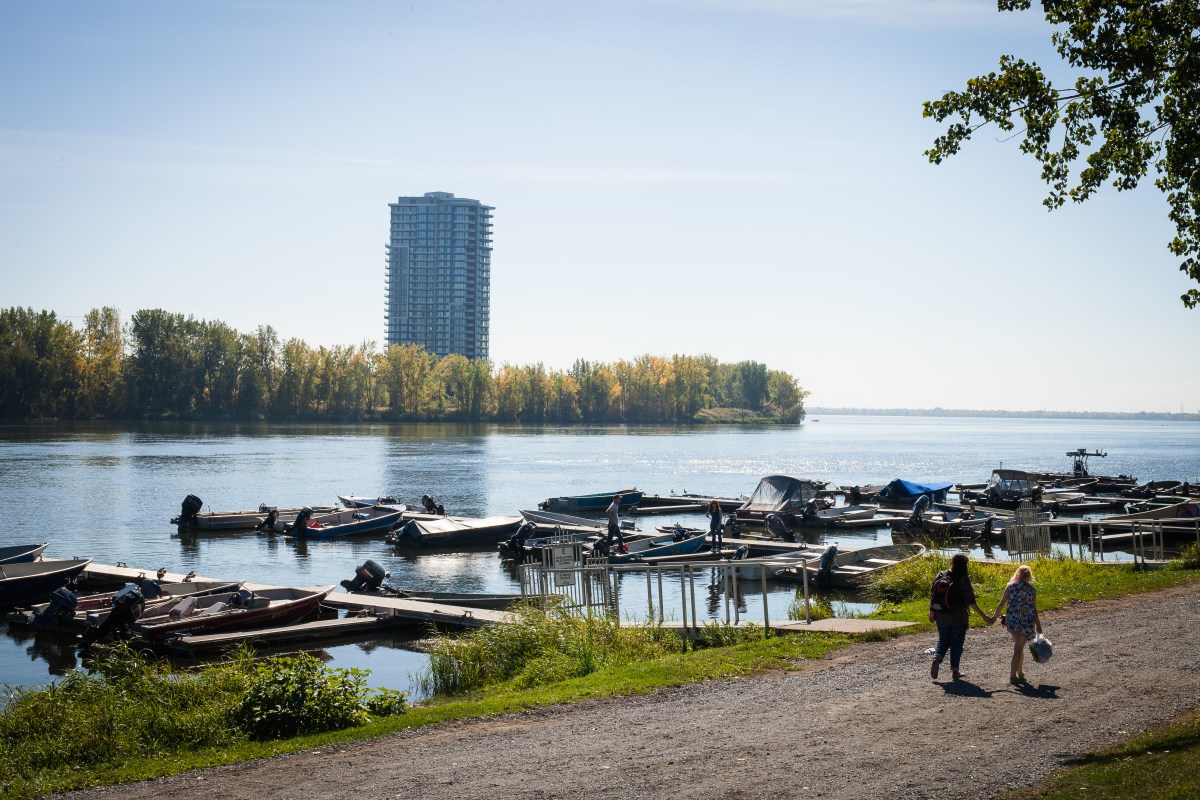
“Montreal is an island, which is easy to forget as you’re rushing to grab lunch in Mile-End’s latest alterno-lumberjack joint that serves each course in a mason jar. Exploring the city’s lesser-known neighbourhoods reminded me that much of the island is verdant with a view of blue.”

Read more

Segways slow to take hold

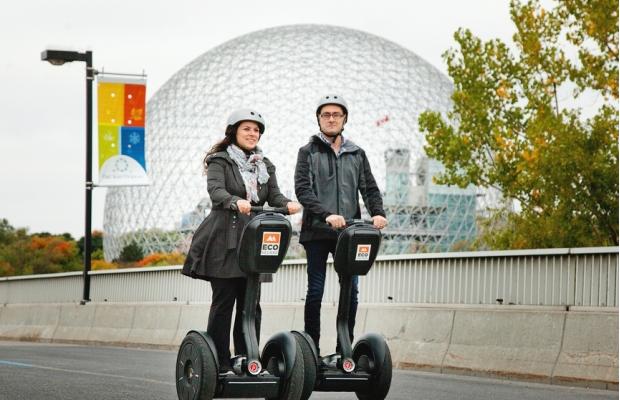
Originally published in the Montreal Gazette on October 4, 2014. Photo by Vincenzo D’Alto.

“Segways are zero-emission modes of transportation, they don’t take up much space, and different studies have concluded that they’re as safe as bicycles. So why didn’t they ever catch on?

The biggest hurdle is categorization, with transportation departments worldwide struggling to classify the Segway and regulate its use. Is it a motorcycle, a moped, or a kind of bicycle? Should it be allowed on sidewalks, bike paths, or roads? It’s so befuddling that three-quarters of Segway’s Wikipedia page is devoted to detailing several countries’ varying, and often strict, bylaws on the glider.”

Read more

Lighting design: The lantern of Ste-Catherine

Originally published in the Montreal Gazette on May 17, 2014. Photo by Lumenpulse.

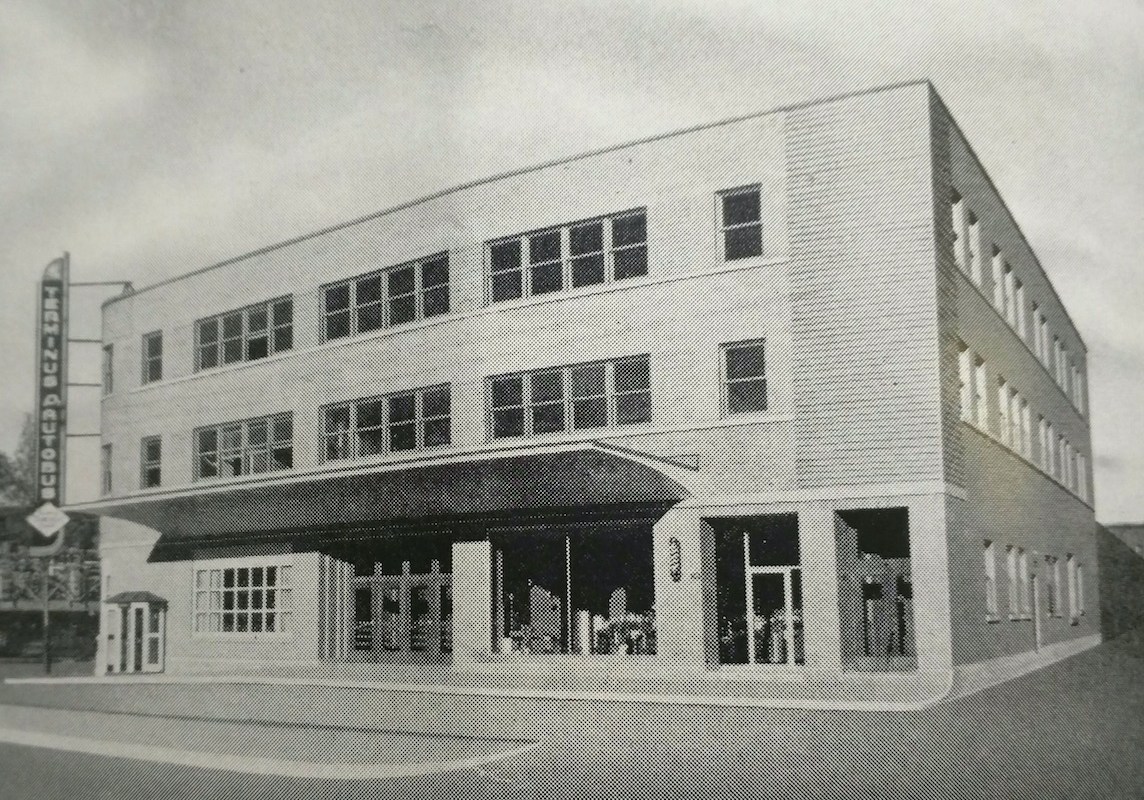
The lighting scheme gives the St. James more than mere visibility; it also gives volume and perspective. You can tell how high the church is, you can make out some of the details in the stonework, and the illumination avoids two-dimensionality by wrapping the towers along the sides.”

Read more

Urban Villages

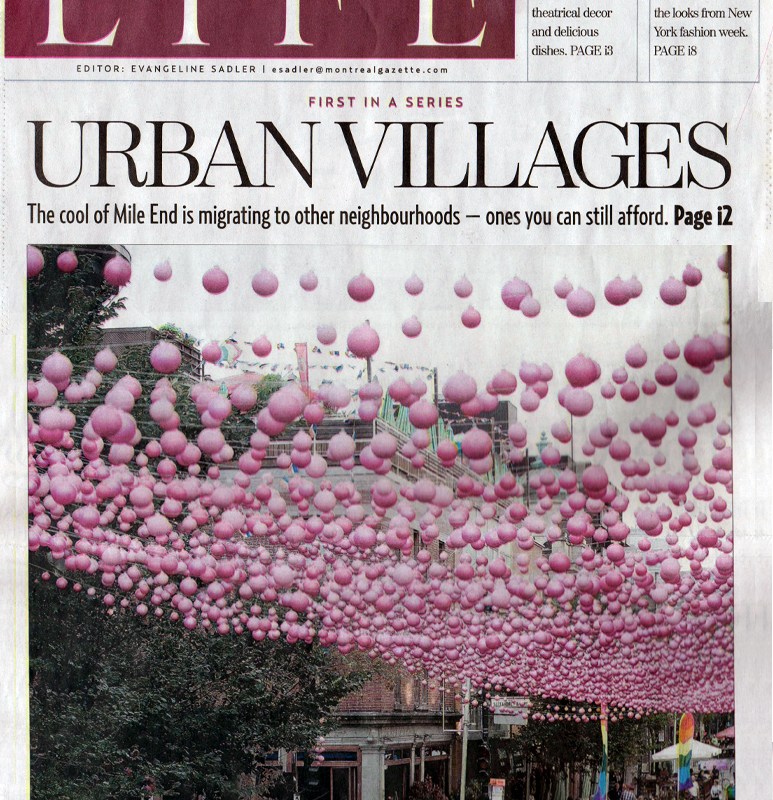
The Urban Villages series for the Montreal Gazette studies the city’s emerging neighbourhoods and finds out why they’re burgeoning.

From “Mile-Ex’s Multiple Personalities”
“It’s hard to get a handle on Mile-Ex. This peculiar 1.5-square-kilometre enclave is both old and new, both industrial and residential, not quite Mile-End or Park-Extension. Even its name is debatable. To many people who have been here longer than five years, it’s still Marconi-Alexandra, so named for two streets that cut through the sector. Those who have lived here longer than 15 years might consider it part of Little Italy. Some even call it WeLIta, for West Little Italy. Mile-Ex is a recent moniker that sits better with newer crowds, or with people who don’t live or work here at all.” Read more

From “Made in Villeray”
“In the interviews I have done for the Urban Villages series, I make a point of asking this one question: Why did you choose this place instead of another place? In Villeray, the top five reasons are: the Jean-Talon market; Jarry Park; five métro stations; reasonably priced rent for well maintained, often large spaces (both commercial and residential); and a pleasant quality of life. The question I’ve tried to answer in every story in the series is: Why is this place emerging? In the case of Villeray, fashion is one of the elements propelling the area forward.” Read more

From “Snowdon Meets You Halfway”
“Though Snowdon’s tranquility might feel like a departure from the bustling city core, there’s still a lot of activity here because of commercial roads like Queen Mary, Décarie and Victoria, from St-Kevin Ave. on. Plus, the types of businesses are assorted; you’ll find grocers big and small, health food stores, many pharmacies, clothing boutiques and loads of restaurants, many of them serving up authentic ethnic flavours.” Read more

From “Hochelaga-Maisonneuve: Friendly with a Small-Town Feel”
“’HoMa,’ as some call it now, is slowly evolving past that image, but it’s not completely transformed. Some of its small businesses look a little worn, which happens when you’ve been around for 20 years or more. Still, they’re meeting a fairly high demand. Local fast-food joints like La Pataterie and cozy diner Gerry’s Delicatessen serve comfort classics like hamburgers, poutine and smoked meat sandwiches, and they’re as popular now as they were when they opened decades ago. A place like Bar Davidson, a dive bar known for inexpensive drinks, has been around since the 1930s. Back then, it was a tavern and wouldn’t serve women. Now it refuses no one. Not the student looking for cheap beer; not the leather-covered biker dude; not the scantily clad lady.” Read more

From “St-Henri: Eccentric, Artsy”
“St-Henri is the Un-Plateau. It’s quiet, it doesn’t have much of a nightlife, it borders the water, it has the Atwater Market. It does have a cachet that is Plateau-like in certain residential areas, but the neighbourhood tends to be more industrial thanks to its old factories, remnants of the many manufacturers once headquartered here.” Read more

From “Old Montreal: Chic & Central”
“Today, Old Montreal couldn’t be more different. There are almost too many restaurants to choose from, new bars and clubs are 5 à 7-ready, and quite a few designer boutiques have set up shop along ‘Gallery Alley,’ St. Paul’s nickname for the many art galleries that once dominated the street. More importantly, the area is attracting more Montrealers than visitors.” Read more

From “The Village: Beyond Partying”
“’There weren’t that many places in the Village where you could enjoy fine dining,’ says Bernard Beauchemin, a consultant for Bistro 1272, which focuses on progressive cuisine. Lallouz kebabery owner Zohar Bardai agrees, adding: ‘People in this neighbourhood … are willing to try new ethnic foods and appreciate it for what it is.’” Read more

Lighting design: Old City of Light

“The lighting of the Notre-Dame Basilica’s façade is part of a deliberate urban landscaping initiative called Plan lumière, which started in 1999. The goal was to breathe new life into historic Old Montreal using strategic lighting design.”

In this article for the Montreal Gazette, I report on how lighting design revived Old Montreal and its historic architecture.

Read more