Neighbourhood maps

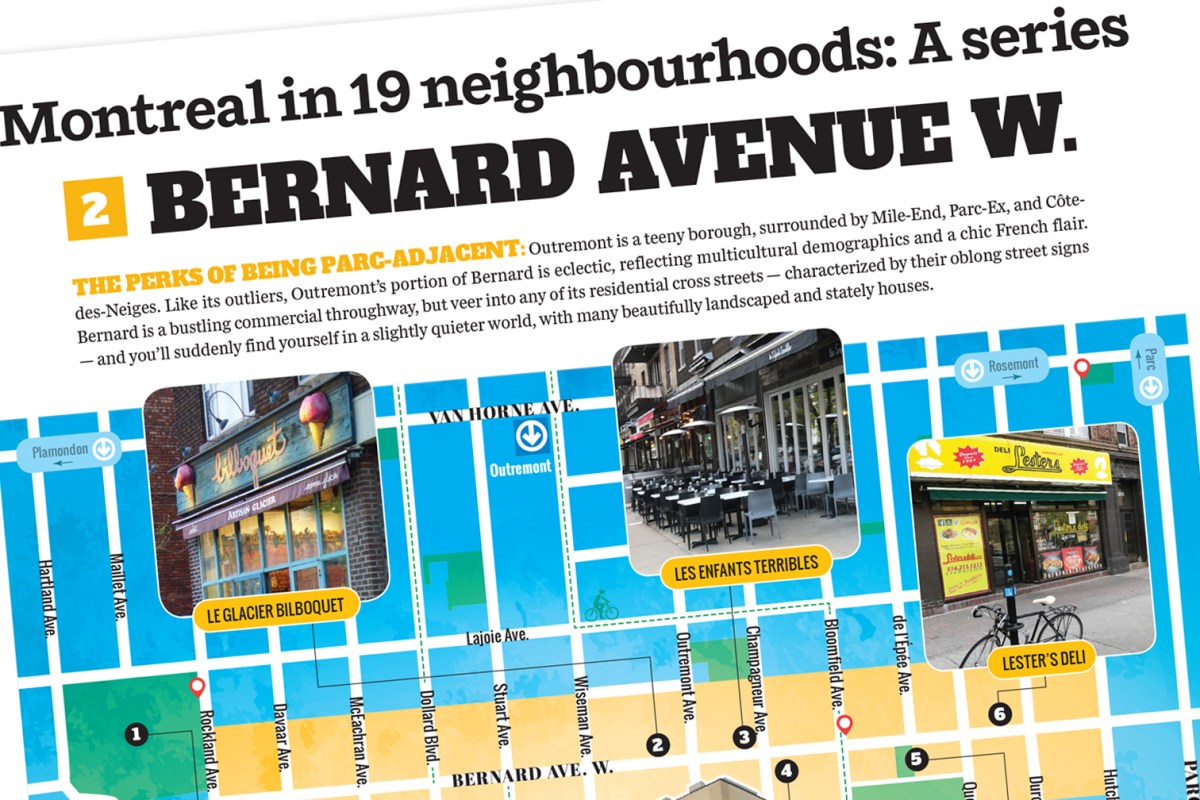
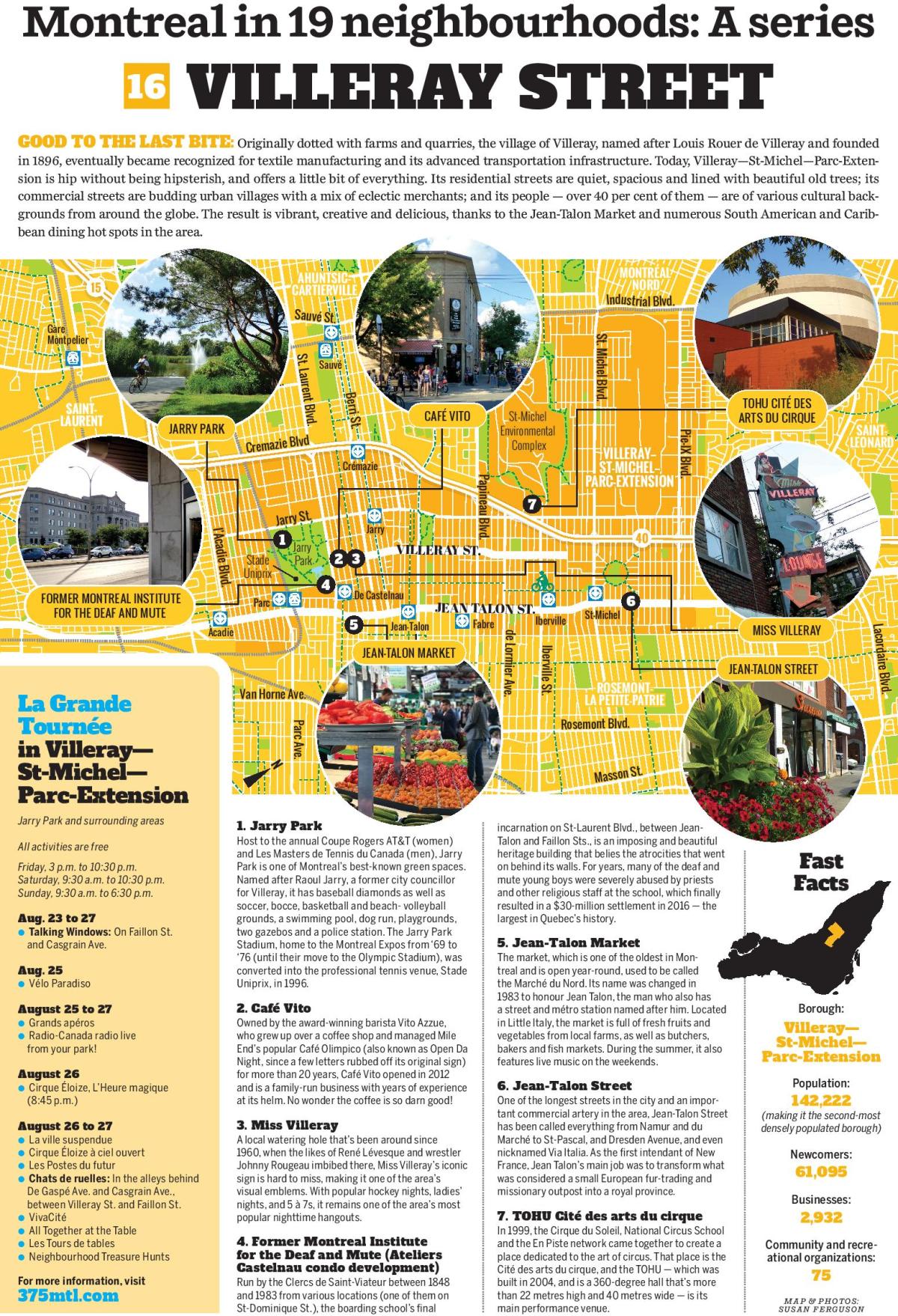
This series of neighbourhood maps appeared as part of a sponsored content campaign between the City of Montreal and the Montreal Gazette. The goal was to promote “La Grande Tournée,” a series of neighbourhood tours taking place in one district per borough, in each of Montreal’s 19 boroughs. The tours were during the summer of 2017, and this map series outperformed other native campaigns, and even some editorial content. Some readers even collected the print maps.

I was the producer on this series, and this is also my concept. The designer is Susan Ferguson, and the writer is Ursula Leonowicz.

Danny Elfman Tells the Stories Behind 8 of His Classic Scores

Interview with Danny Elfman, originally published at Vulture/NY Mag on July 6, 2015. Photo: Fox, Twentieth Century Fox, Pee Wee Pictures, Touchstone Pictures

“The theme Elfman composed for Batman and Batman Returns is certainly memorable, so much so that it was even used for the ensuing animated series. The overall score evokes a path paved in tragedy for the hero and villains of Gotham. Batman’s world functions within a maze of moral gray zones, but your sympathies might never baffle you more than when the Penguin dies. He’s unquestionably sadistic and homicidal, but his death is painful and pathetic, and the weighty, funereal music takes us to a place where we can actually feel mercy for the merciless man.”

Read more

Why Can’t Sad Be Fat?

Originally published at RogerEbert.com on July 1, 2015. Photo courtesy of Disney/Pixar.

“If there’s a lot of backlash aimed at Joni Edelman’s article, it’s because much like Joy underestimated an emotion she didn’t even try to understand, Edelman misinterpreted a movie she hadn’t even seen, and ironically misconstrued the fat character as a result.”

Read more

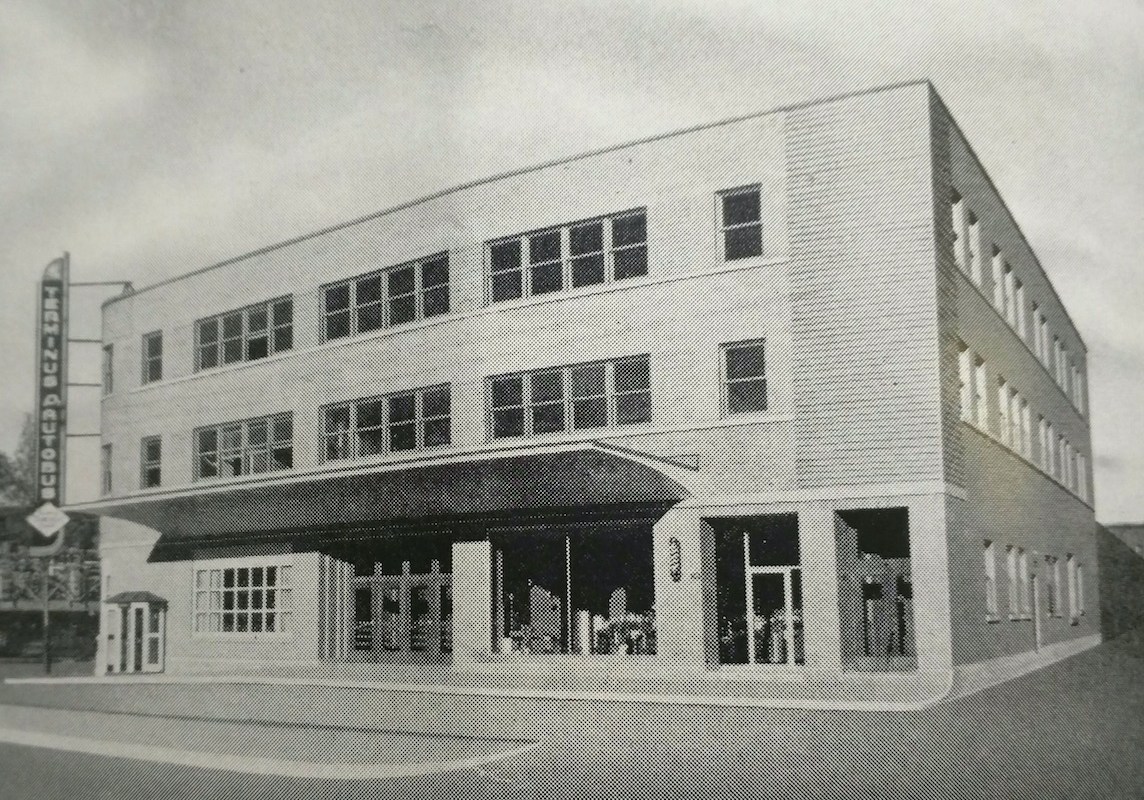
The History of Montreal’s Eastern Bus Terminal

“When we think of the old bus terminal on Berri and Maisonneuve, it usually conjures up the image of a brown L-shaped building across the street from Place Émilie-Gamelin on one side, and the National Library (BaNQ) on the other. That’s certainly the case now, but those extensions along Berri and Maisonneuve were add-ons that came some time in the 1970s. When the bus terminal was built in the early 1950s, it was just that square. The building’s curved corner and vertical Googie-styled signage suggests Streamline Moderne architecture, somewhat echoing the other bus terminal in Montreal at the time.”

Read more

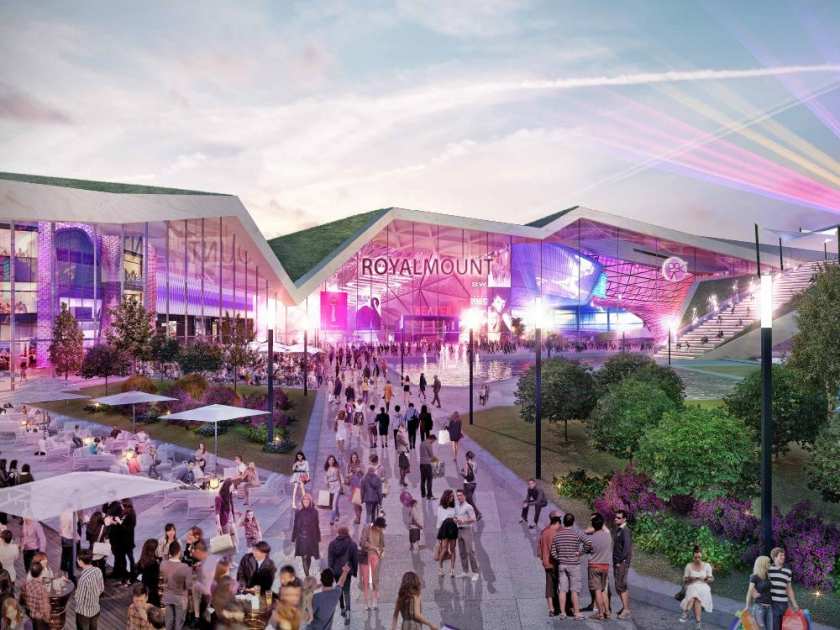
Quinze40: Shopping streets are more pleasant than big complexes

Originally published in the Montreal Gazette on May 22, 2015. Image courtesy of Carbonleo.

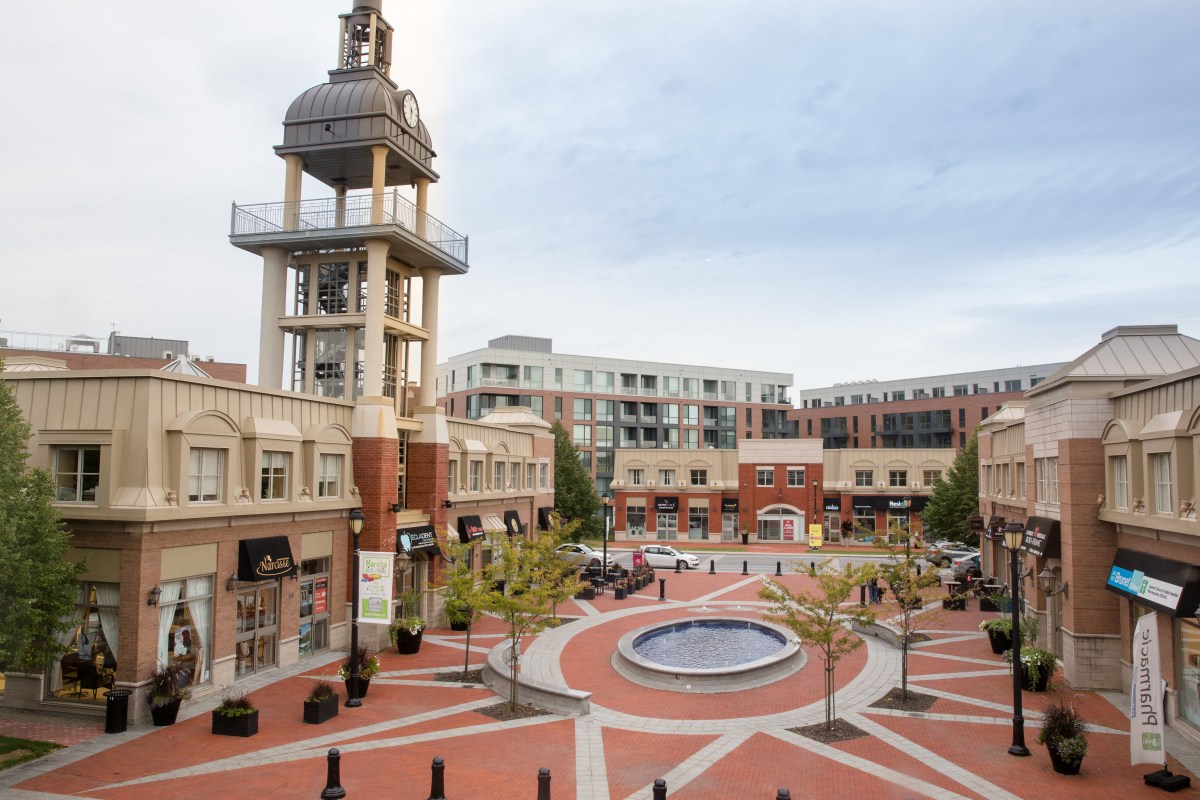
“Carbonleo has defended its renderings, and said that Royalmount will not be a carbon copy of Dix30. But there are glaring similarities between the two. For one, they’re functionally alike: all four million square feet of Royalmount will be exclusive to commercial use, with no residential zoning. It will be far to get to, even for those who live in nearby neighbourhoods. Despite a footbridge connecting de la Savane métro to the shopping district, the lengthy walk over the Décarie Expressway and into the wide spaces of the site doesn’t scream “pedestrian friendliness.” And with 8,000 parking spots — only 2,000 fewer than what’s offered at Dix30 — it’s reasonable to infer that the area, located next to two of Montreal’s busiest highways, was designed with car use in mind.”

Read more

The Great Montreal Rebuild

This native advertising series combines Concordia University‘s expertise and the Montreal Gazette‘s talent, and appeared as part of the newspaper’s special reports for “Montreal Reimagined.” Taking on urban development in Montreal, I was tasked with exploring the diversity of disciplines that could rebuild our great city. The series was published over 10 weeks, with pieces appearing in the print newspaper, on the web, and on iPad, complete with infographics and videos. Photo by La Portraitiste.

Climate Change, Renewable Energy and Infrastructures (published March 2, 2015)
“Can we confront climate change in a way that’s meaningful enough to make a difference? ‘The challenge is big,’ Prof. Damon Matthews said. ‘There’s no single solution, but there are lots of little solutions.’ That’s why the focus for a number of researchers in Montreal is developing solutions to reduce the impact of climate change.”
Read more

Solar Energy Powering Montreal’s Bright future (published March 6, 2015)
“Whether it’s in a commercial building or a single-family home, this intelligent technology goes further, making sure occupants stay comfortable — and even predicting the next day’s weather conditions to modify the building’s heat or cooling controls accordingly. Notably, these smart, solar-powered buildings can be designed to store energy.”
Read more

Paving the Way for Sustainable Housing Development (published March 16, 2015)
“Despite the city of Montreal’s moratorium on condo conversions in the early 1980s, a loophole has allowed a new condo category to emerge.What Rutland and his colleagues discovered was that in Petite-Patrie, more than half of the condo conversions since 1991 were “undivided” co-ownerships. Traditionally, undivided co-ownership has provided a way for people to own a part or share of an overall building. Since 1994, however, it has become possible for these shares to be linked to particular housing units within the building. The units of the building can then be bought, sold, and lived in very much like a divided co-ownership. Most significantly, the undivided condo category is not covered by the moratorium, making the protective policy increasingly irrelevant.”
Read more

Building a Social Economy: Sustainability from Within (published March 20, 2015)
“Take the story of Marmite, the concentrated yeast spread commonly used in the U.K. Love it or hate it, this byproduct of beer brewing combines corporate responsibility and waste reduction by turning something that would normally be a leftover into something that has value in its own right.”
Read more

From Lab to Market: Investing in Montreal’s Scientific Sectors (published March 30, 2015)
“Investing in research is crucial to making sure Canada remains one of the top five leading countries in aerospace. According to Aéro Montréal, most of Quebec’s 43,500 aerospace jobs are in Greater Montreal, making the city the second world capital in terms of aerospace job density.”
Read more

Montreal’s Makes the Most of Its Creative Resources (published April 3, 2015)
“It’s not surprising that Montreal was appointed to UNESCO City of Design in 2006. The city is teeming with creativity, starting with about 500 film and TV production and distribution companies, 70 ad agencies, 25 cinemas, at least 23 theatre venues, and 12 Maison de la culture establishments. Not to mention that Montreal hosts countless festivals, and is home to myriad architects, designers in all capacities, musicians, and artists. Montreal certainly has a creative drive, but what does this unique sector of our economy need to continue to thrive?”
Read more

The Impact of Public Transportation on Neighbourhood Development (published April 13, 2015)
“Public transportation exists to provide affordable mobility, connecting Montrealers not just to their city, but to friends and family, and, in many cases, their jobs. At the same time, recent research suggests Montreal’s métro may have contributed to the changing demographic composition of surrounding neighbourhoods; in other words, gentrification.”
Read more

The Wellington Tower’s Living Legacy (published April 17, 2015)
“If we’ve all but forgotten Griffintown’s St. Ann’s Church or its old fire station, it may be because the new residential highrises in the area leave little clue as to this tiny neighbourhood’s former industrial identity. Not everything’s gone, but in 2013, when the city announced its plans to redesign the Wellington Tower — that iconic, graffitied, minimalistic building hovering above the CN tracks bordering the Lachine Canal — a group of people decided it was time to start making memories.”
Read more

Creating Green Space Diversity and Connectivity (published April 27, 2015)
“It’s estimated that roughly 20 per cent of Canadians suffer from respiratory allergies. But according to biodiversity and bioenergy specialist Melanie McCavour, a PhD candidate and lecturer at Concordia, there’s an easy, inexpensive, and effective thing cities could do to both increase biodiversity and alleviate those allergy symptoms: Plant more female trees that produce fruit.”
Read more

Perfect Blue: Facing Montreal’s Waterways (published May 1, 2015)
“Central city dwellers know that they’re surrounded by water, but they often don’t have much of a relationship with it. Unlike cities like Paris, London, Berlin, and Prague, there’s no body of water cutting through Montreal’s urban core. The Lachine Canal is an offshoot of the St. Lawrence, but it’s still largely at the edge of the island, and as a public space, it doesn’t yet compare to the Seine or the Thames.”
Read more
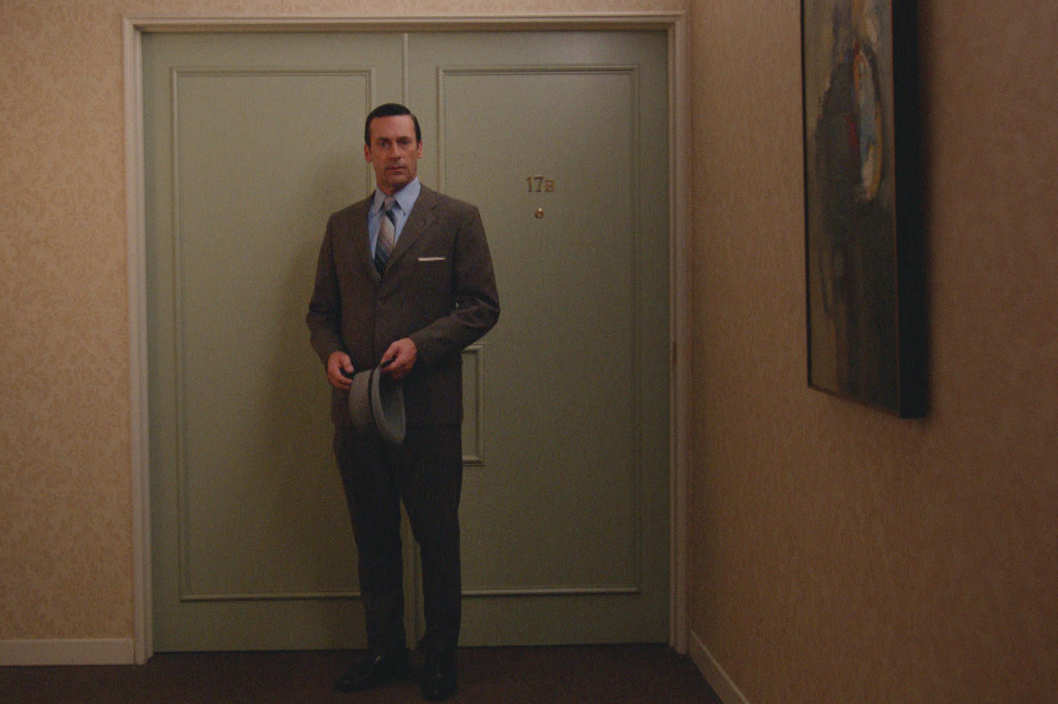
Blank Space Is Everywhere in Mad Men’s “Forecast”

Originally published on Vulture on April 21, 2015. Photo Credit: Courtesy of AMC Photo: Courtesy of AMC

“When he returns home to find that Melanie hasn’t sold the place, she tells him, “They loved the lobby, but the emptiness is the problem…this requires too much imagination.” He doesn’t see how that could be a limitation: “That’s the best opportunity in the world!” Don concocts a whole fairy tale for Melanie to tell visitors, but he doesn’t get that because his penthouse looks so glaringly uninhabited, it also feels uninhabitable.”

Read more

Analyzing the French in Mad Men’s “New Business”

Originally published in Vulture on April 14, 2015. Photo: Justina Mintz/AMC

Failure is a very personal word in English. It’s an insult to your abilities. As a verb, it’s passive, in that there’s no act of failing; it’s a state of being. If you fail, it implies that you are a failure. In French, échec has military qualities. It’s not just about coming up short on expectations or aspirations. It’s about losing everything.”

Read more

Also republished on Slate

La liberté (relative) d’expression

Extrait d’un article paru dans le Huffington Post Québec le 2 février 2015. Cliquez ici pour lire l’article.

“Souvent, quand on invoque la rectitude politique, c’est parce qu’on veut continuer de dire des conneries, et c’est une façon plutôt efficace de réfuter ceux qui les dénoncent. La rectitude politique, ça dérange surtout ceux qui profitent du statu quo, et ceux-là, ils ne vivent rarement l’iniquité sociale au quotidien. La rectitude politique nous force donc à confronter le climat social actuel, ce qui, dans le meilleurs des cas, peut mener à mieux comprendre pourquoi certaines communautés se sentent blessées par certains propos.”

Basketeers Help Give Women a Fresh Start

Originally published in the Montreal Gazette on November 22, 2014. Photo by Marie-France Coallier.

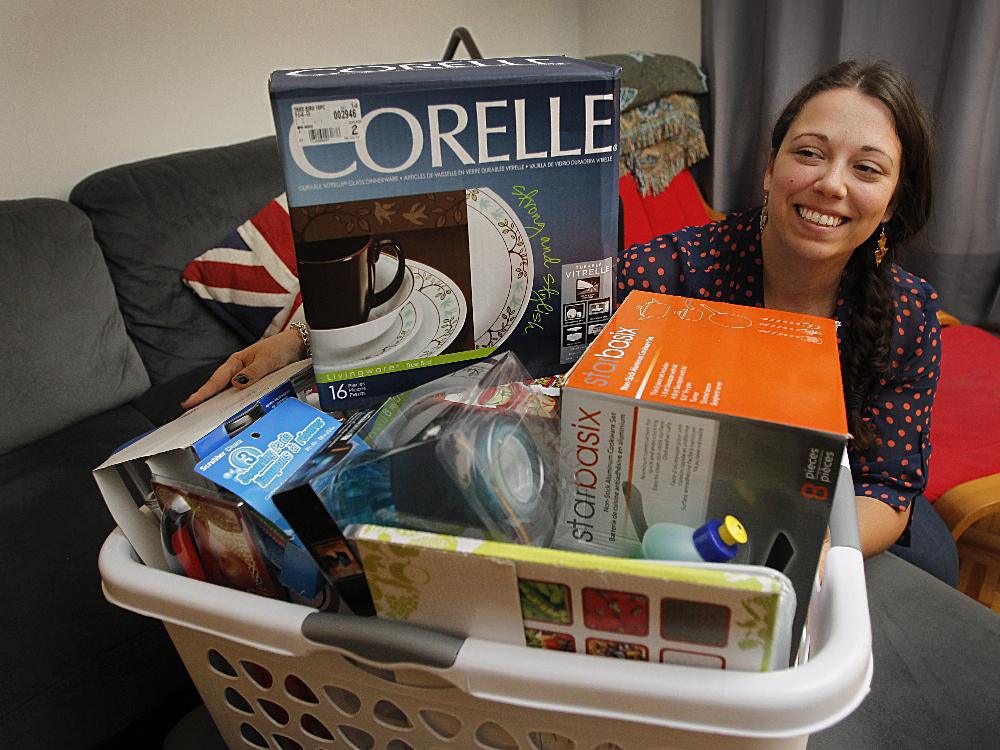
“Ever wonder what belongings a woman has when she leaves a shelter?Usually, nothing but the clothes on her back and whatever’s in her bag … if she has a bag. That means that when she moves into a new place, it’s unlikely she’ll have a bed, a chair or cookware. This harsh truth inspired Montrealer Rachel Auclair to get involved with an organization called the Basketeers while studying in Ottawa. There are Basketeers chapters across Canada, offering something special for women who are just getting out of shelters. These baskets — usually laundry baskets — are filled with new wares for a person who is starting fresh: plates, utensils, a coffee maker, pots and pans, and so forth.”


Read more

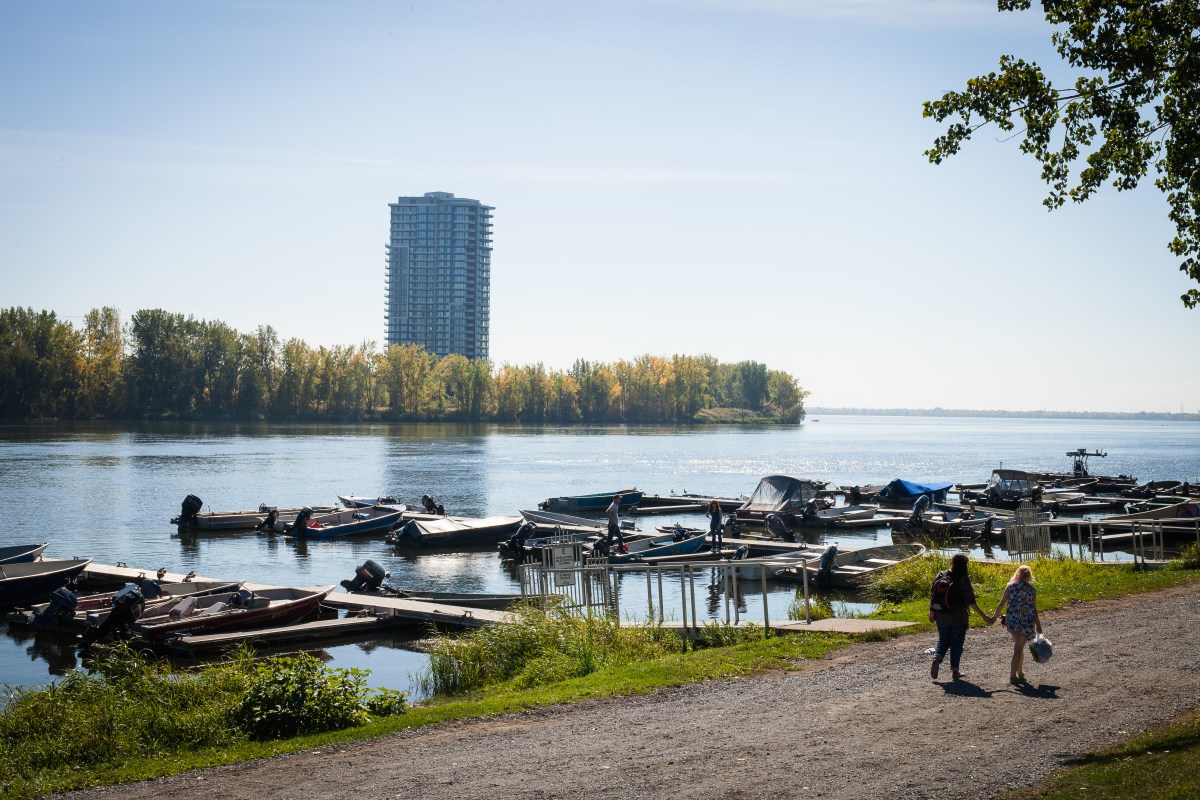
Exploring Montreal’s Lesser-Known Districts

Originally published in the Montreal Gazette on October 18, 2014. Photo by La Portraitiste.

“Montreal is an island, which is easy to forget as you’re rushing to grab lunch in Mile-End’s latest alterno-lumberjack joint that serves each course in a mason jar. Exploring the city’s lesser-known neighbourhoods reminded me that much of the island is verdant with a view of blue.”

Read more

Se promener sans ses clés

Extrait d’un article paru dans le Huffington Post Québec le 14 octobre 2014. Cliquez ici pour lire l’article.

“Se rendre à la maison sans être assaillie ou harcelée, ça devrait être plus qu’un droit. Ça devrait être un fait non négociable, une chose tellement ordinaire qu’on n’y pense même pas; rien de plus que les mêmes privilèges dont profitent les hommes au quotidien, quoi.”